Winter in Southeast Wisconsin Can Be Hard on Your Lawn
Cold temperatures, snow cover, ice, wet conditions, and months of limited sunlight all put stress on your grass. While you can’t control the weather, you can take several steps in fall to help your lawn enter winter in better condition.
So, how do you prepare a lawn for winter in Wisconsin?
The answer isn’t one complicated treatment. Good winter preparation is mostly about doing the basics at the right time.
1. Keep Mowing Until the Grass Stops Growing
Don’t put the mower away just because September or October arrives.
Wisconsin lawns can continue growing well into fall. Continue mowing as needed until the grass becomes dormant. UW-Madison Extension specifically recommends avoiding excessively tall grass going into winter because tall turf can create conditions that contribute to snow mold and vole damage.
At the same time, don’t aggressively scalp your lawn.
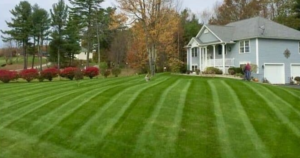
Your goal is a healthy, reasonable mowing height heading into winter, not an extremely short lawn.
2. Remove Heavy Leaf Cover
This is one of the simplest and most important fall lawn tasks.
Leaves are beautiful, but thick layers sitting on your lawn for extended periods can block sunlight and airflow and contribute to turf problems.
UW-Madison Extension recommends cleaning leaves and debris from the lawn before snowfall.
You don’t necessarily have to remove every single leaf from your property. But if leaves are forming a thick mat across the grass, they should be mulched, removed, or otherwise managed.
3. Don’t Over-Fertilize Late in the Fall
Fall fertilization can be beneficial, but timing matters.
UW-Madison Extension identifies early fall as the key fertilization window for Wisconsin lawns. Applying nitrogen too late can encourage excessive growth when the lawn should be preparing for winter.
If you’re wondering whether your lawn needs another fertilizer application later in the fall, more isn’t automatically better.
A lawn care professional can help determine whether an application is appropriate based on the season and condition of your lawn.
4. Address Weeds While They’re Still Growing
Fall can be a useful time to deal with perennial broadleaf weeds such as dandelions, clover, plantain, and ground ivy.
The important part is timing. Weed control is most effective when weeds are still actively growing.
However, don’t look at weed control as the only solution.
One of the best long-term ways to reduce weeds is to maintain a thick, healthy lawn. Dense grass leaves fewer opportunities for weeds to establish.
5. Aerate If Your Lawn Is Compacted
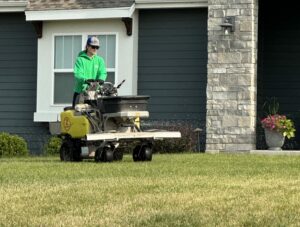
If your lawn has experienced a lot of foot traffic during the summer, fall is a good time to consider core aeration.
Aeration removes small plugs of soil and creates openings that allow air and water to reach the root zone more effectively. It can also help address compaction and certain drainage issues.
Signs your lawn may benefit from aeration include hard soil, poor drainage, thin grass, and areas that receive heavy traffic.
6. Repair Thin Areas Before Winter
Fall is an excellent opportunity to address bare or thin areas, but timing is critical.
Overseeding is most successful when completed early enough for new grass to establish before hard freezes. UW-Madison Extension recommends completing overseeding by early September in most situations.
If you’re already well into fall, a lawn professional can help determine whether seeding still makes sense or whether the better approach is to address the problem in spring.
7. Don’t Forget the Bigger Picture
A healthy lawn going into winter doesn’t happen because of one final treatment.
It is the result of everything you’ve done throughout the growing season.
Proper mowing, appropriate watering, weed management, fertilization, aeration, overseeding, and fall cleanup all contribute to healthier turf.
And if your lawn struggled this year, fall is a good time to figure out why.
Was the soil compacted? Did the lawn suffer from drought? Is there too much shade? Are weeds taking over? Is drainage causing problems?
Identifying the cause is often more important than simply treating the symptoms.
When Should You Stop Lawn Care for the Season?
There isn’t one specific date when lawn care suddenly ends in Southeast Wisconsin.
Instead, watch your lawn.
Continue mowing while the grass is actively growing. Manage leaves before heavy snow cover. Complete fall treatments during their appropriate windows. Then allow the lawn to enter dormancy naturally.
The goal isn’t to force your lawn into winter. It’s to prepare it for winter.
For homeowners in Waukesha and surrounding Southeast Wisconsin communities, a little fall preparation can make a big difference when spring arrives.
Have Questions?
Continue mowing while grass is actively growing, remove heavy leaf buildup, address weeds while they’re actively growing, and complete appropriate fall lawn treatments such as aeration or early-season fertilization.
Continue mowing until the grass stops actively growing. Don’t allow the lawn to enter winter excessively tall. freezes.
No. Heavy layers of leaves should be removed or managed before snowfall. Thick leaf cover can contribute to turf problems and disease.
It depends on timing and conditions. UW-Madison Extension identifies early fall as the key fertilization period and cautions against late applications that can encourage excessive growth.
Yes. Fall is an excellent time for core aeration in Wisconsin when soil moisture is adequate.